The Takeoff Secret Most Passengers Never Notice
Quick summary
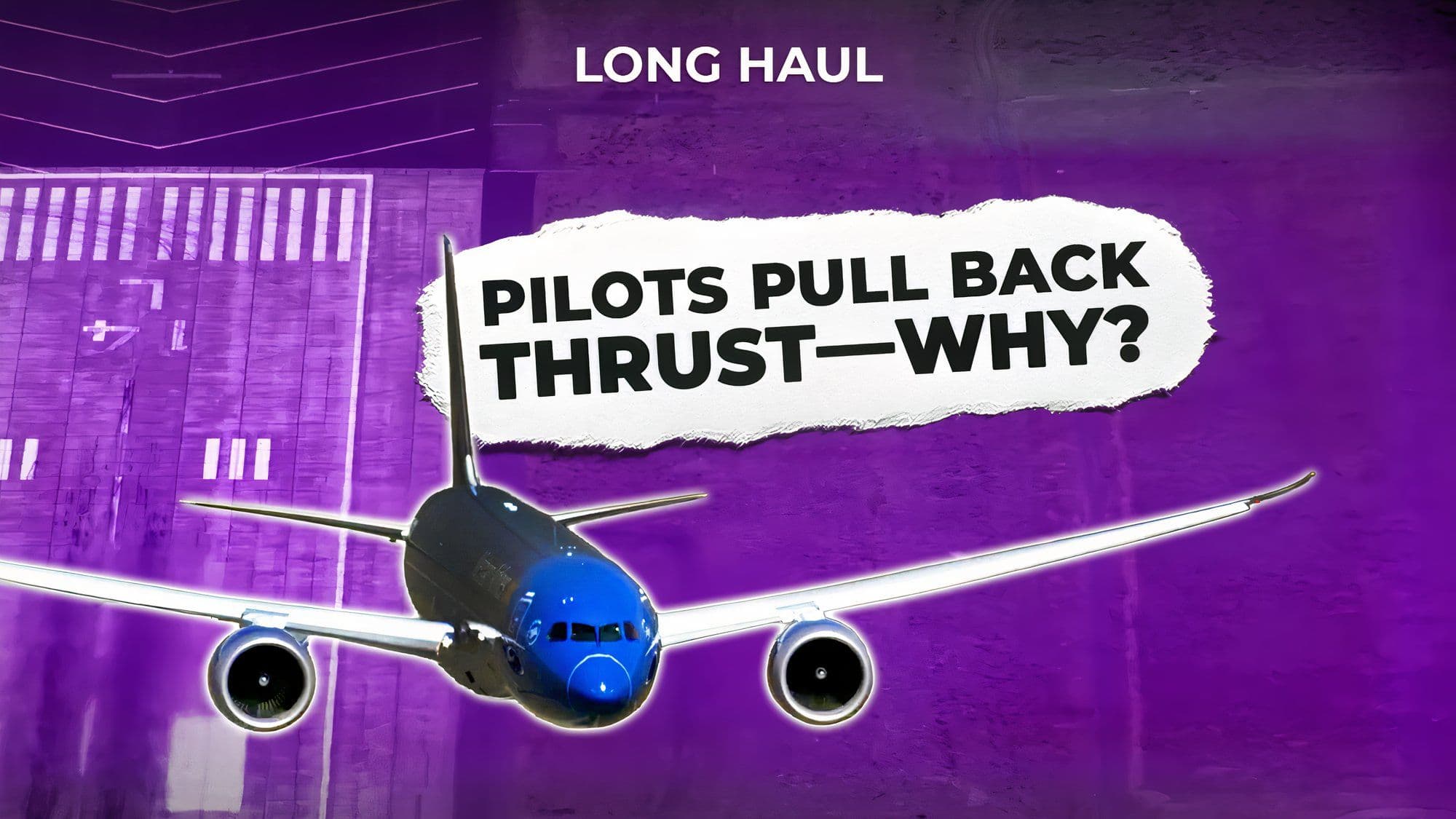
Anyone who regularly flies on commercial aircraft has likely noticed the same curious sensation shortly after take-off. The engines roar at full intensity during the take-off roll, the aircraft rotates, and within moments of becoming airborne, the sound suddenly softens as the thrust appears to decrease. For nervous passengers, that brief reduction in power can feel unsettling, especially because it happens at a stage of flight when the aircraft is still climbing away from the runway and remain…
This is a summary. Read the full article on Simple Flying.
Read full at Simple FlyingWant to pass your exam?
Try Rotate Pilot — 3,500+ exam questions, AI tutor, mock exams. Free 50% off first month.
Start for $7.49Discussion (0)
Related news
Virgin Australia launches Toy Tickets with boarding passes for children’s toys
AeroTime · Jun 25, 2026
6 Things The B-21 Raider Can Do That The B-2 Spirit Never Could
Simple Flying · Jun 24, 2026
Hegseth says Golden Dome defense shield passes first major test
AeroTime · Jun 24, 2026
Picture of the Day: June 24, 2026
AVweb · Jun 24, 2026
Autonomous Aircraft Tune In To CTAF
AVweb · Jun 24, 2026