FAA Private Pilot Helicopter Practice Questions
49 Private Pilot Helicopter questions published by the FAA (official sample tests and FAA question banks), word for word with the official figures. The FAA does not publish answers: each answer here was worked out from the current regulations and FAA handbooks, with the source cited in the explanation.
Questions Available
49
Exam Questions
60
Passing Score
70%
Time Limit
2 hours
Study all 49 questions -- upgrade for timed practice mode and progress tracking
Get Unlimited PracticeFAA-published sample question (PRH, Aug 2021)
5
7
10
FAA-published sample question (PRH, Aug 2021)
Gyroplane, helicopter, airship, free balloon.
Airplane, rotorcraft, glider, lighter-than-air.
Single-engine land and sea, multiengine land and sea.
FAA-published sample question (PRH, Aug 2021)
taxi at a faster speed.
taxi only on taxiways and not cross runways.
return to the starting point on the airport.
FAA-published sample question (PRH, Aug 2021)
1 mile.
3 miles.
5 miles.
FAA-published sample question (PRH, Aug 2021)
500 feet.
1,000 feet.
1,500 feet.
FAA-published sample question (PRH, Aug 2021)
Class C.
Class E.
Class G.
FAA-published sample question (PRH, Aug 2021)
Remain below the airplane traffic pattern altitude.
Avoid the flow of fixed-wing traffic.
Fly right-hand traffic.
FAA-published sample question (PRH, Aug 2021)
all passengers.
the pilot in command.
the right seat pilot.
FAA-published sample question (PRH, Aug 2021)
3312.5 hours.
3395.5 hours.
3402.5 hours.
FAA-published sample question (PRH, Aug 2021)
lower than the actual altitude above sea level.
higher than the actual altitude above sea level.
the actual altitude above sea level.
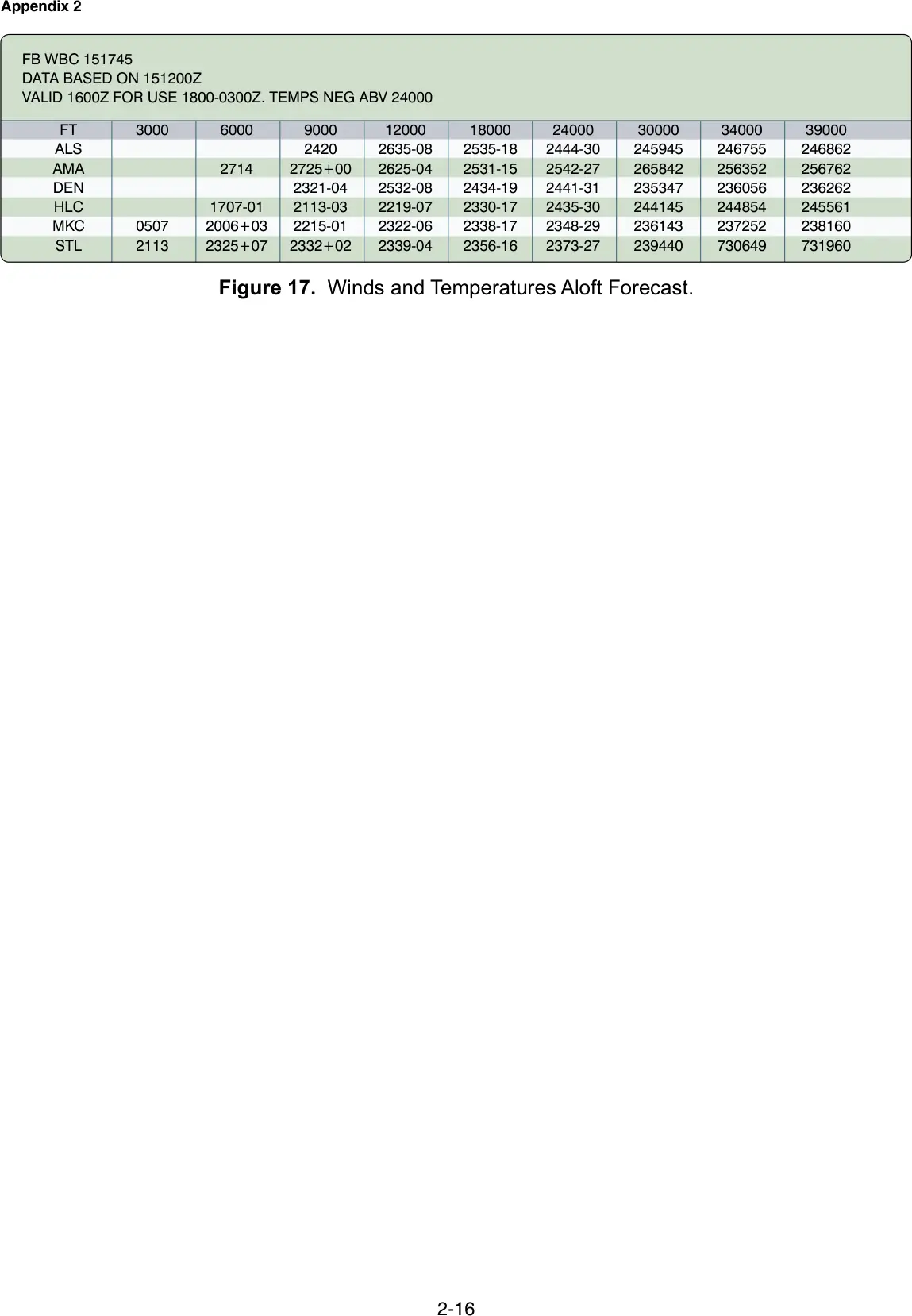 Open the figure full size →
FAA-published sample question (PRH, Aug 2021)
230° true at 56 knots.
230° true at 39 knots.
230° magnetic at 56 knots.
FAA-published sample question (PRH, Aug 2021)
Obtain a clearance from the controlling agency prior to entering the MOA.
Operate only on the airways that transverse the MOA.
Exercise extreme caution when military activity is being conducted.
FAA-published sample question (PRH, Aug 2021)
122.75 and 123.65 MHz.
123.0 and 122.95 MHz.
123.05 and 123.075 MHz.
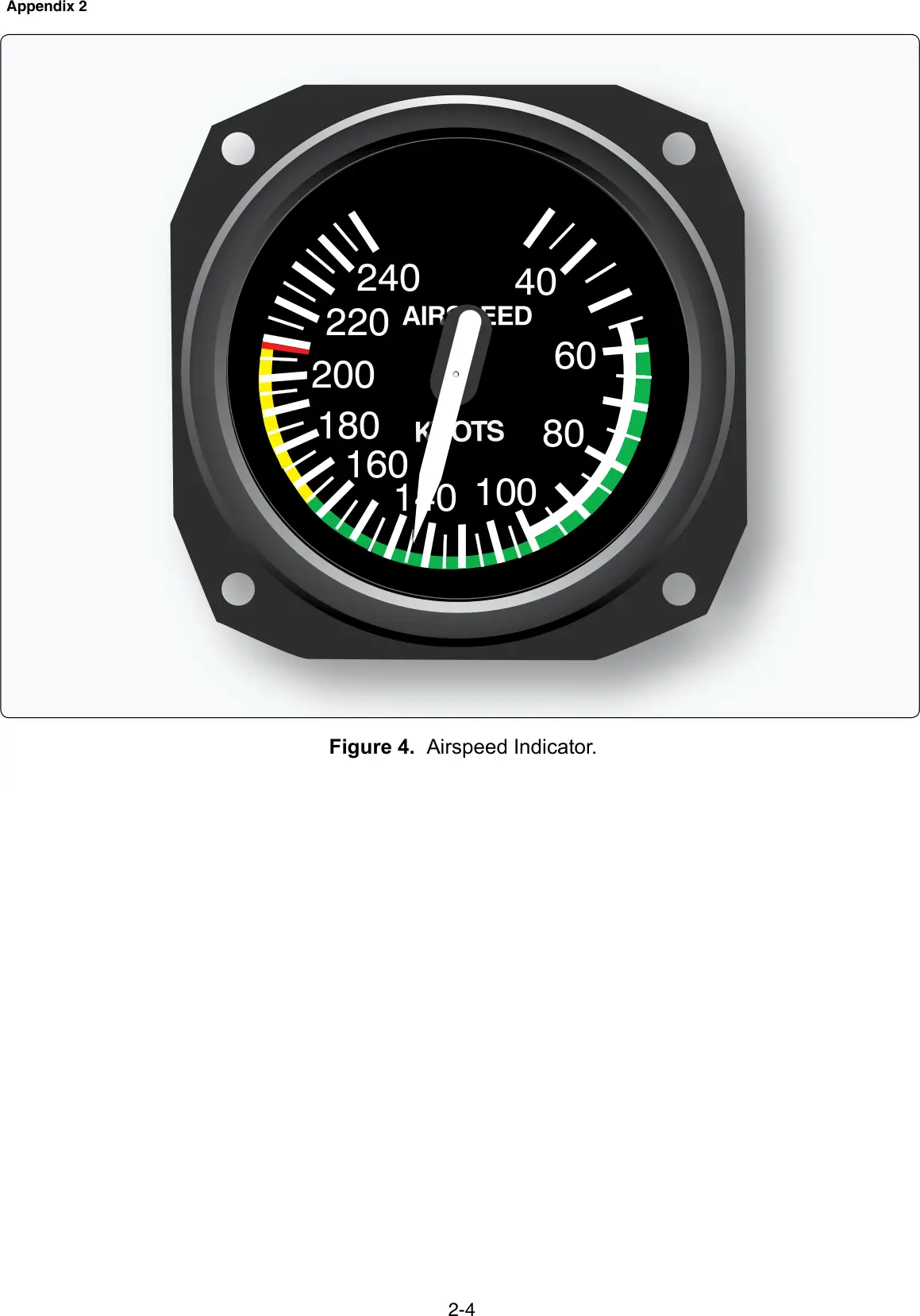 Open the figure full size →
FAA-published sample question (PRH, Aug 2021)
Upper limit of the green arc.
Upper limit of the white arc.
The red radial line.
FAA-published sample question (PRH, Aug 2021)
on the ground and harmonic vibrations develop between the main and tail rotors.
a series of shocks causes the rotor system to become unbalanced.
there is a combination of a decrease in the angle of attack on the advancing blade and an increase in the angle of attack on the retreating blade.
FAA-published sample question (PRH, Aug 2021)
Ground resonance when ground contact is made.
A settling-with-power condition.
Blade stall vibration could develop.
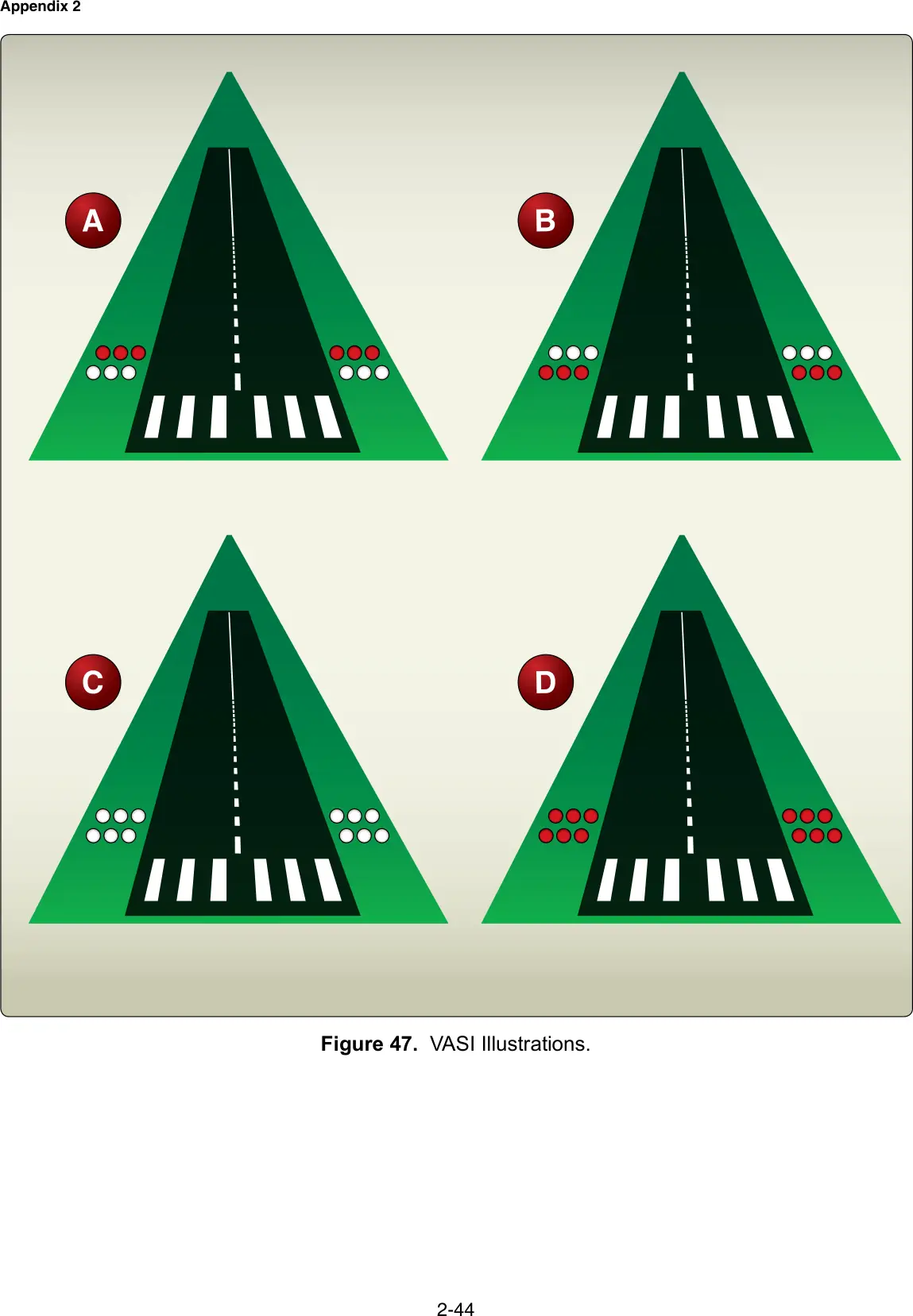 Open the figure full size →
FAA-published sample question (PRH, Aug 2021)
above the glide path.
below the glide path.
on the glide path.
FAA-published sample question (PRH, Aug 2021)
spatial disorientation.
hyperventilation.
hypoxia.
FAA-published sample question (PRH, Aug 2021)
Open the throttle as the collective pitch is raised.
Reduce cyclic back stick pressure during turns.
Lower the collective pitch control, as necessary, to maintain rotor RPM.
FAA-published sample question (PRH, Aug 2021)
Do it quickly to get it over with.
It could happen to me.
Not so fast, think first.
FAA-published sample question (PRH, Aug 2021)
transverse flow effect.
dissymmetry of lift.
hunting tendency.
FAA-published sample question (PRH, Aug 2021)
lift, drag, thrust, and weight.
lift, weight, gravity, and thrust.
lift, gravity, power, and friction.
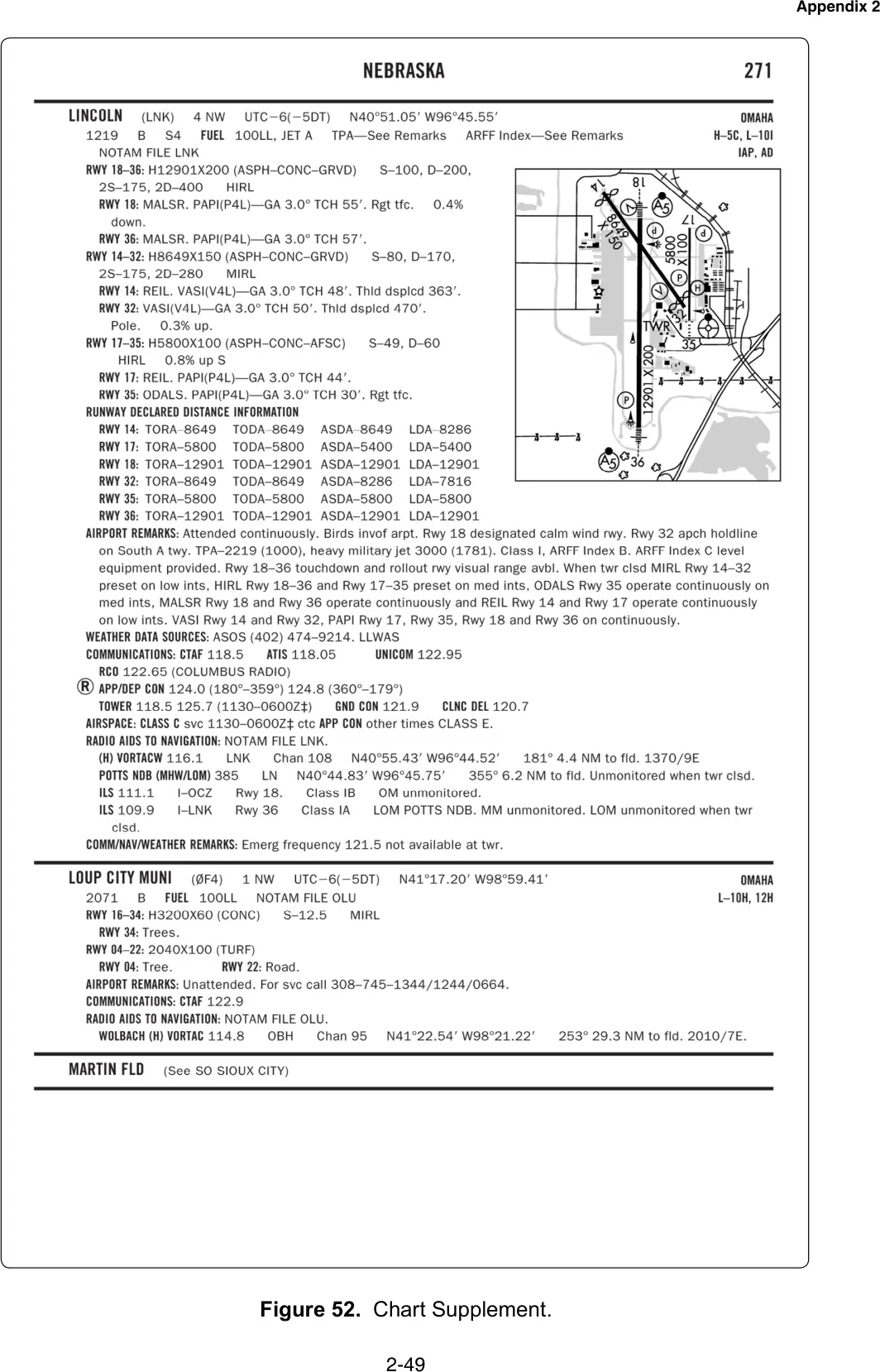 Open the figure full size →
FAA-published sample question (PRH, Aug 2021)
Monitor airport traffic and announce your position and intentions on 118.5 MHz.
Contact UNICOM on 122.95 MHz for traffic advisories.
Monitor ATIS for airport conditions, then announce your position on 122.95 MHz.
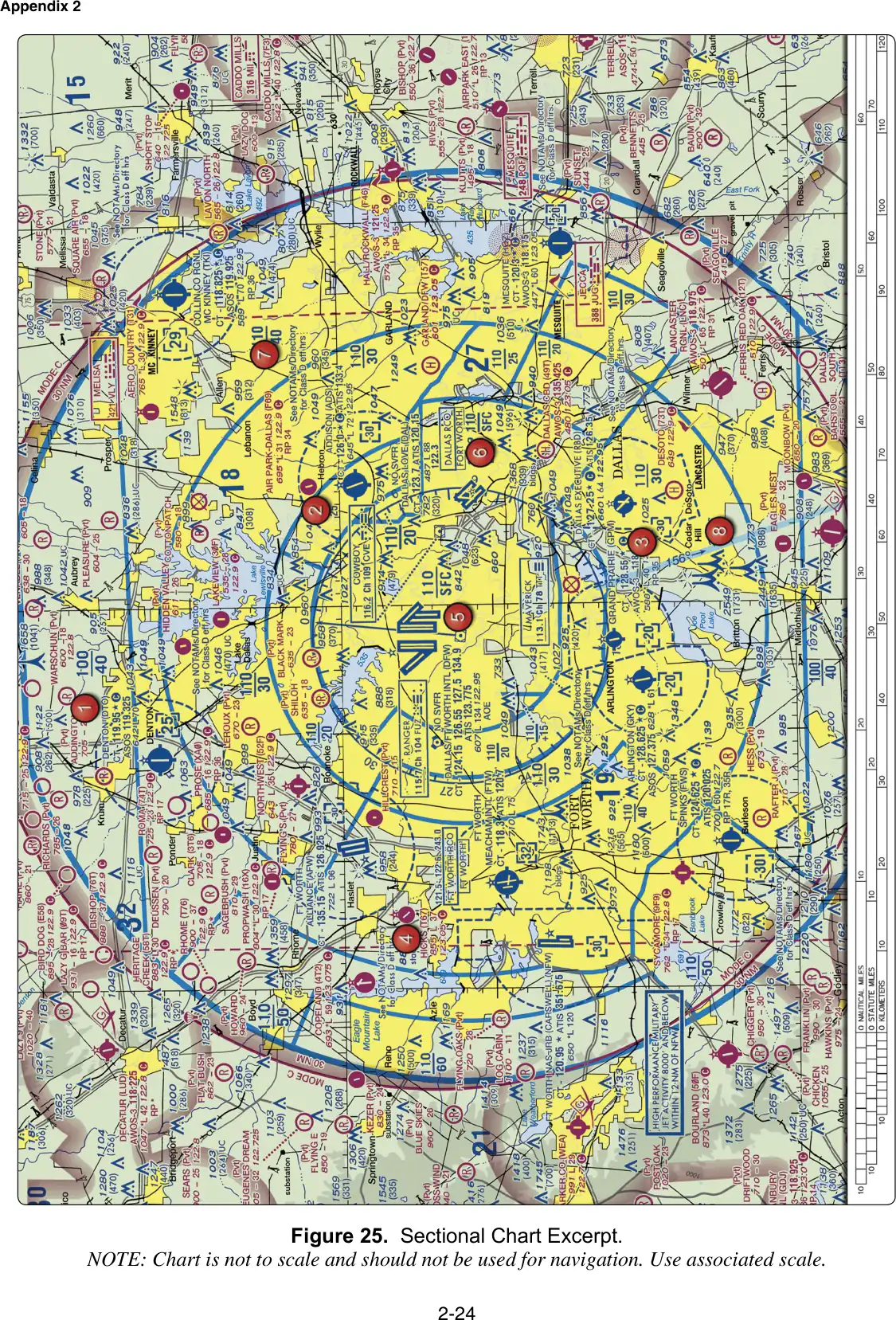 Open the figure full size →
FAA-published sample question (PRH, Aug 2021)
VOR.
VORTAC.
VOR/DME.
Open the figure full size →FAA-published sample question (PRH, Aug 2021)
Northeast approximately 3 miles.
Northwest approximately 1 mile.
East approximately 7 miles.
Open the figure full size →FAA-published sample question (PRH, Aug 2021)
Lincoln Approach Control on 124.0 MHz.
Minneapolis Center on 128.75 MHz.
Lincoln Tower on 118.5 MHz.
FAA-published sample question (PRH, Aug 2021)
a runway with a displaced threshold that precedes the runway.
a hold line from a taxiway to a runway.
the beginning of available runway for landing on the approach side.
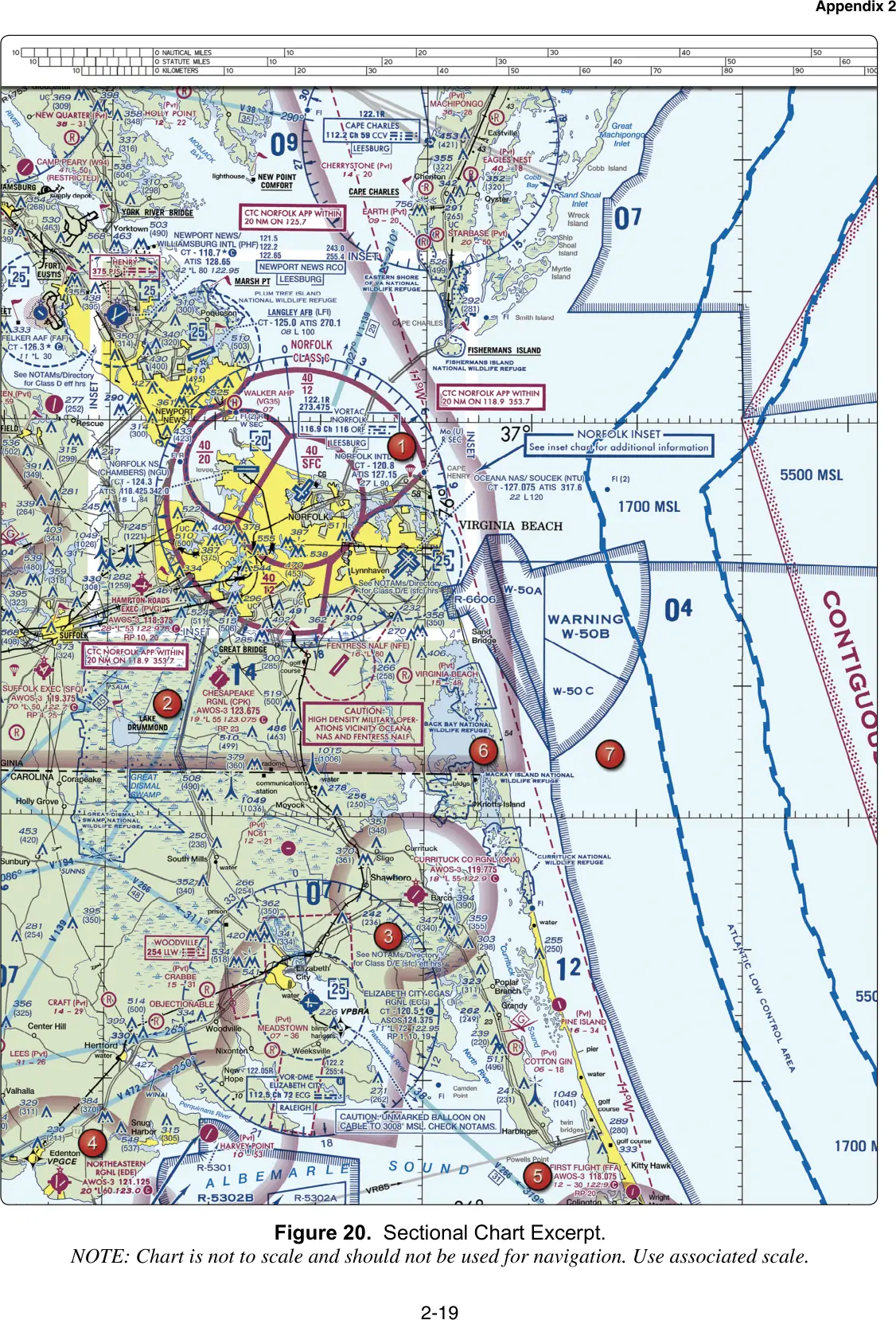 Open the figure full size →
FAA-published sample question (PRH, Aug 2021)
Class C.
Class E.
Class G.
FAA-published sample question (PRH, Aug 2021)
For every action there is an equal and opposite reaction.
An additional upward force is generated as the lower surface of the airfoil deflects air downward.
Air traveling faster over the curved upper surface of an airfoil causes lower pressure on the top surface.
FAA-published sample question (PRH, Aug 2021)
14.25 NM.
15.00 NM.
14.50 NM.
FAA-published sample question (PRH, Aug 2021)
10 NM.
20 NM.
30 NM.
FAA-published sample question (PRH, Aug 2021)
Runway identification and course guidance.
Safe obstruction clearance in the approach area.
Lateral course guidance to the runway.
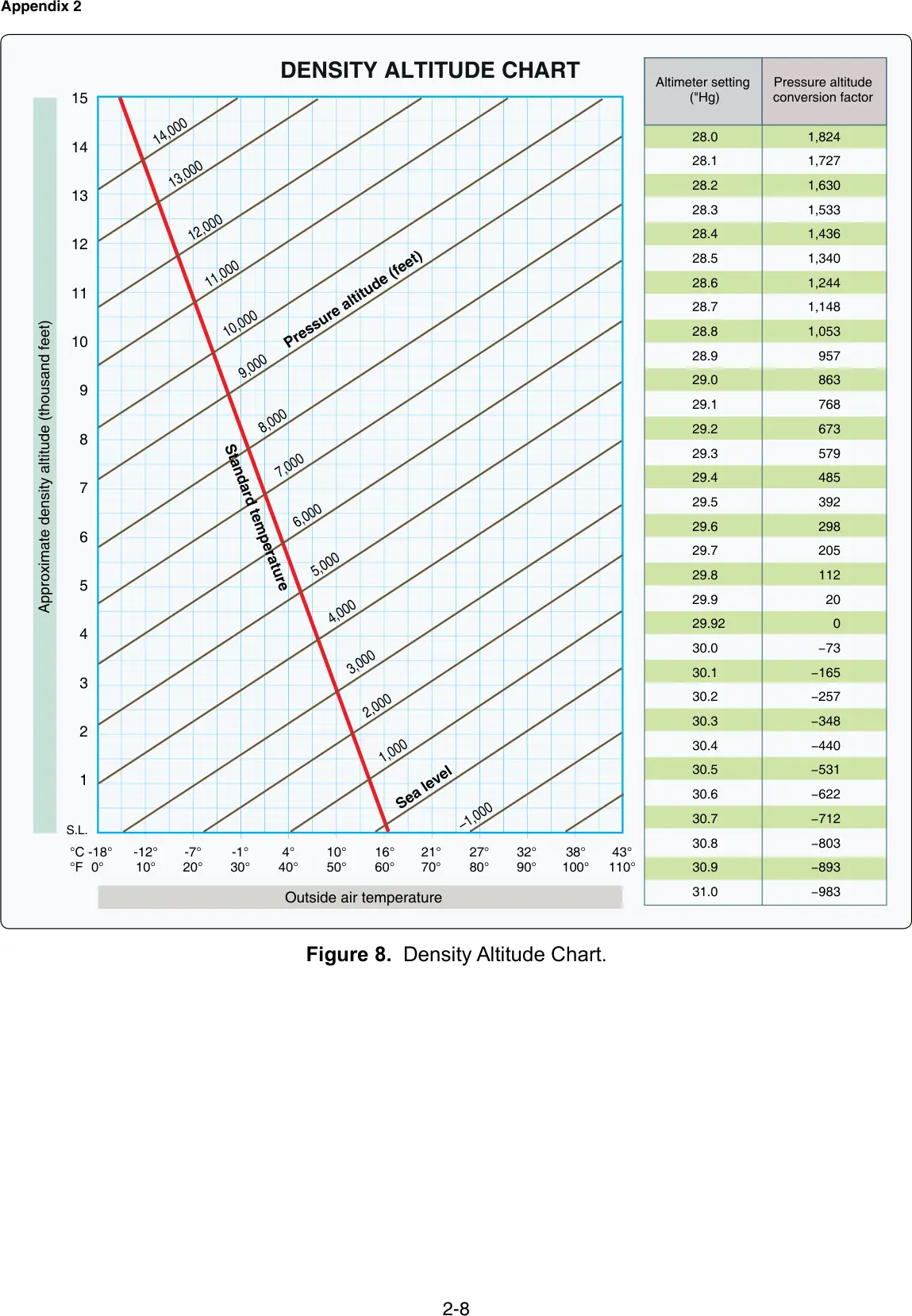 Open the figure full size →
FAA-published sample question (PRH, Aug 2021)
1,000-foot increase.
1,100-foot decrease.
1,300-foot increase.
FAA-published sample question (PRH, Aug 2021)
in Class B airspace.
in conditions of reduced visibility.
within 15 miles of a towered airport.
FAA-published sample question (PRH, Aug 2021)
7200
7000
7500
FAA-published sample question (PRH, Aug 2021)
slowing the breathing rate, breathing into a paper bag, or talking aloud.
breathing spontaneously and deeply or gaining mental control of the situation.
increasing the breathing rate in order to increase lung ventilation.
 Open the figure full size →
FAA-published sample question (PRH, Aug 2021)
ready for a runway 26 intersection takeoff.
on the taxiway leading to runway 26.
ready for a runway 8 intersection takeoff.
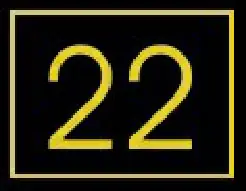 Open the figure full size →
FAA-published sample question (PRH, Aug 2021)
runway 22.
routing to runway 22.
taxiway 22.
 Open the figure full size →
FAA-published sample question (PRH, Aug 2021)
confirms the aircraft's location to be on taxiway "B."
warns the pilot of approaching taxiway "B."
indicates "B" holding area is ahead.
FAA-published sample question (PRH, Aug 2021)
90 days.
60 days.
30 days.
FAA-published sample question (PRH, Aug 2021)
stronger pressure gradient at higher altitudes.
friction between the wind and the surface.
stronger Coriolis force at the surface.
FAA-published sample question (PRH, Aug 2021)
not exceed 10 degrees and view each sector at least 1 second.
be 30 degrees and view each sector at least 3 seconds.
use peripheral vision by scanning small sectors and utilizing off-center viewing.
FAA-published sample question (PRH, Aug 2021)
clouds with extensive vertical development above an inversion aloft.
good visibility in the lower levels of the atmosphere and poor visibility above an inversion aloft.
an increase in temperature as altitude increases.
FAA-published sample question (PRH, Aug 2021)
produces stratus type clouds.
causes showers and thunderstorms.
develops convective turbulence.
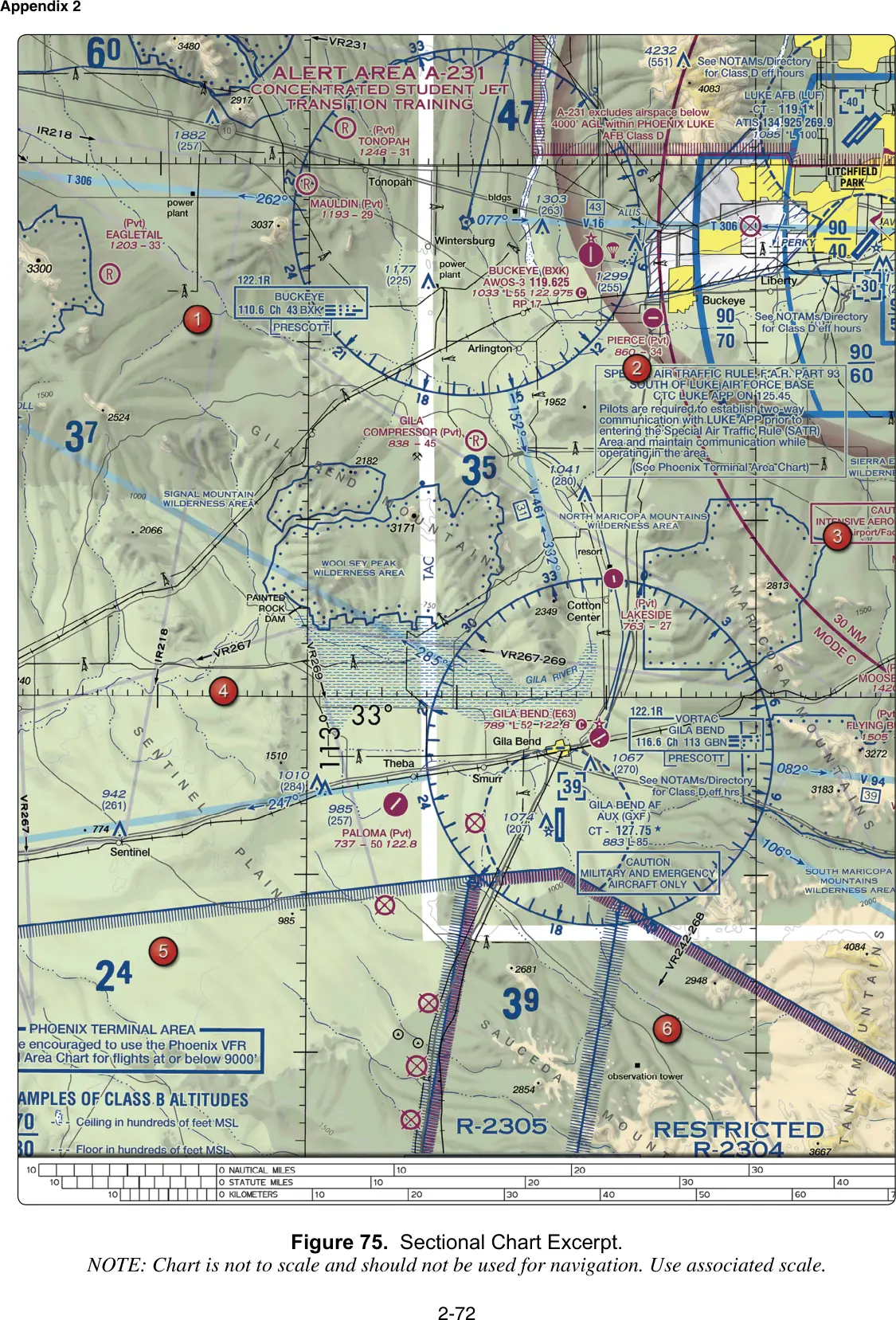
In the Aeronautical Information Manual.
In the Chart Supplements U.S. (formerly Airport Facility Directory).
On the Sectional Chart in the Special Use Airspace area.
FAA-published sample question (PRH, Aug 2021)
FIVE POINT FIVE.
FIFTY-FIVE HUNDRED FEET MSL.
FIVE THOUSAND FIVE HUNDRED.
FAA-published sample question (PRH, Aug 2021)
stability of the air mass.
type of precipitation.
wind direction.
FAA-published sample question (PRH, Aug 2021)
Landing at an airport with an operating control tower.
Overflying Class C airspace below 10,000 feet MSL.
Flying under the shelf of Class C airspace.
FAA-published sample question (PRH, Aug 2021)
1200
7600
7700
Keep practising
Take a timed quiz with random questions, or estimate your training costs.